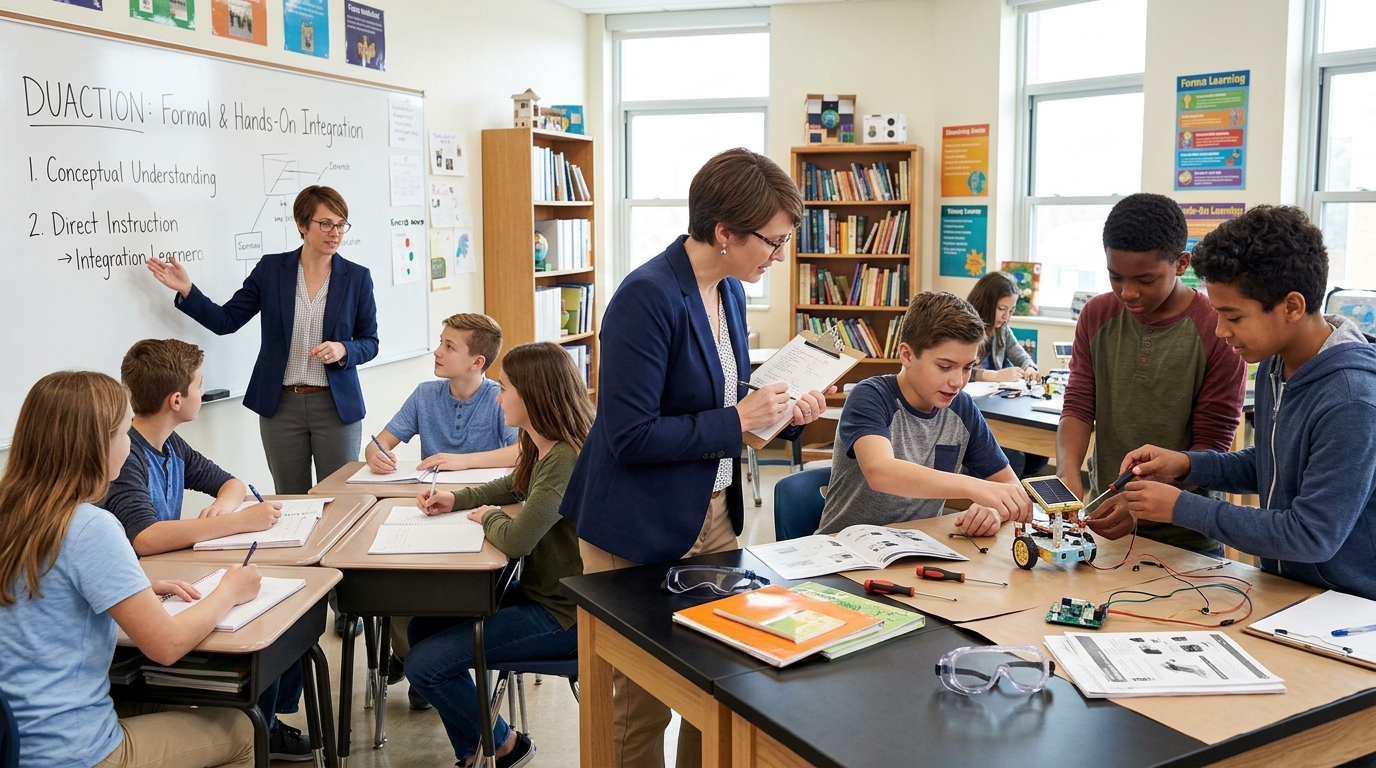
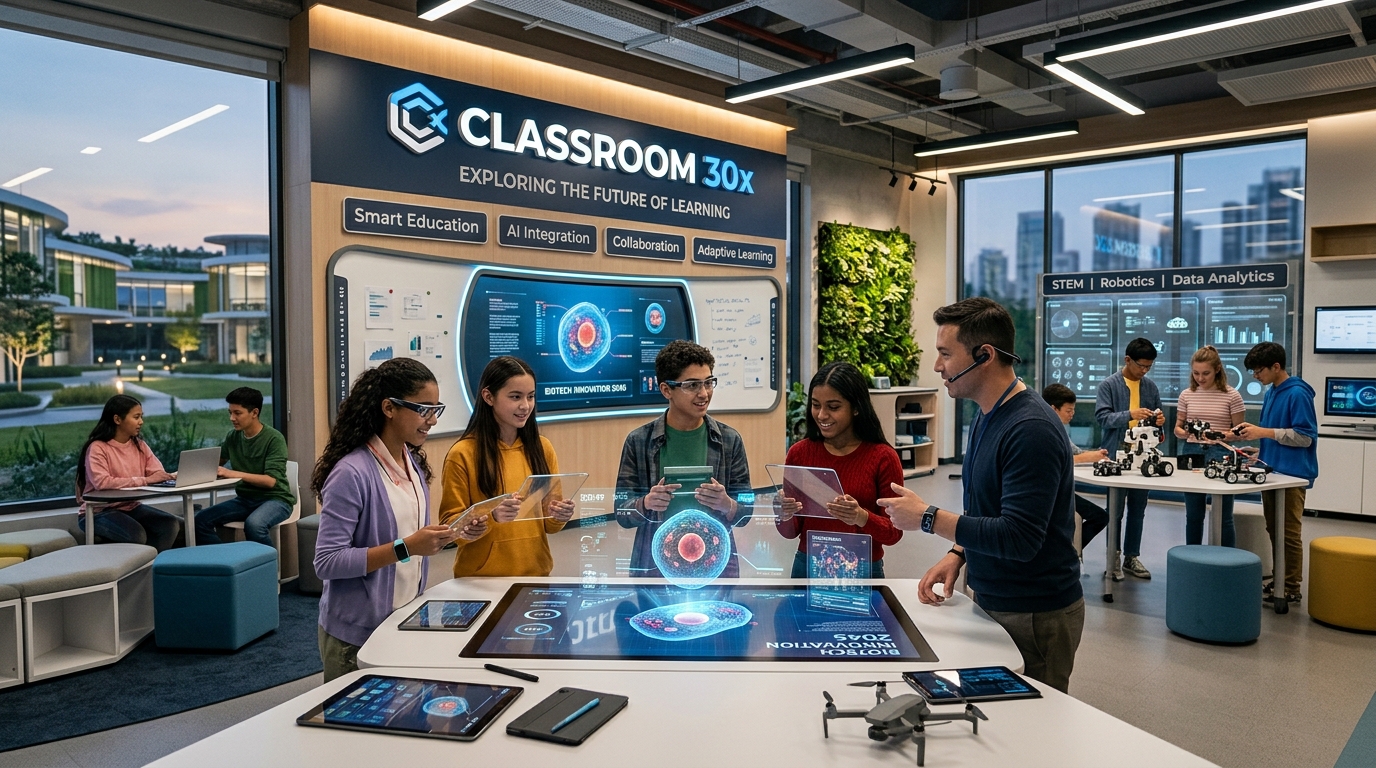
Education is evolving faster than ever before, and traditional classrooms are no longer enough to meet the needs of modern learners. Students today require flexibility, engagement, and access to technology that supports deeper understanding and real-world readiness. This is where Classroom 30x emerges as a powerful concept in the future of education. By combining innovation, digital tools, and student-centered learning, Classroom 30x represents a smarter and more effective learning environment.
The modern education system must prepare students not only for exams but also for future careers, collaboration, and problem-solving in a rapidly changing world. Schools and institutions are now searching for better ways to improve teaching quality while keeping students motivated. Classroom 30x reflects this transformation by offering a vision of education that is scalable, interactive, and built for long-term success.
Understanding Classroom 30x in Modern Education
The classroom of the past focused mainly on lectures, textbooks, and fixed learning structures. While these methods provided a foundation, they often lacked personalization and flexibility for diverse learning needs.
Classroom 30x introduces a new model where technology and teaching work together to improve outcomes. It moves beyond the idea of a physical room and creates a connected learning ecosystem where students can learn anytime and anywhere.
This approach supports both teachers and students. Teachers gain access to smarter tools for lesson planning, progress tracking, and communication. Students benefit from interactive content, digital learning resources, and personalized learning pathways.
Modern education requires adaptability, and Classroom 30x responds by making learning more dynamic rather than limited by traditional boundaries.
Classroom 30x and Student-Centered Learning
One of the most important shifts in education is the move toward student-centered learning. Instead of focusing only on what teachers deliver, modern systems focus on how students learn best.
Classroom 30x supports this philosophy by placing learners at the center of the educational experience. Students are encouraged to participate actively, ask questions, solve problems, and collaborate with others.
This approach improves engagement because students feel more connected to the learning process. Passive listening is replaced by active discovery, which leads to stronger understanding and long-term retention.
Personalized learning also becomes possible. Every student learns differently, and Classroom 30x allows lessons to adapt based on pace, skill level, and learning preferences.
When students feel seen and supported, motivation increases. This creates better academic performance and stronger confidence both inside and outside the classroom.
How Classroom 30x Uses Technology for Better Learning
Technology is one of the strongest foundations of modern education. Without digital tools, it becomes difficult to meet the expectations of today’s learners and future workplaces.
Classroom 30x uses technology not just for convenience but as a strategic part of teaching and learning. Smart boards, cloud platforms, virtual classrooms, and learning management systems all contribute to a stronger educational experience.
Digital tools improve access to information. Students can review lessons, complete assignments, and communicate with teachers beyond school hours. This flexibility supports continuous learning and reduces limitations caused by location or schedule.
Technology also helps teachers identify challenges early. Data tracking allows educators to monitor performance, attendance, and participation more effectively. This leads to faster support and better academic outcomes.
Most importantly, technology prepares students for real-world environments where digital skills are essential for success.
Classroom 30x and the Role of Teachers
Even with advanced technology, teachers remain the heart of education. Great teaching cannot be replaced by software alone. Instead, technology should empower educators to do their work more effectively.
Classroom 30x strengthens the role of teachers by reducing administrative burdens and creating more time for meaningful instruction. Automated grading, organized lesson planning, and digital communication systems help teachers focus on student development.
Teachers also become facilitators of learning rather than only information providers. They guide discussions, encourage critical thinking, and support creativity.
Professional development is another key part of this model. Educators need training to use modern tools confidently and effectively. Classroom 30x encourages continuous teacher growth so that innovation remains practical and sustainable.
When teachers feel supported, students benefit directly. Strong teaching remains the foundation of every successful classroom.
Why Schools Choose Classroom 30x for Future Growth
Educational institutions are under constant pressure to improve results while managing resources efficiently. Parents, students, and communities expect schools to deliver high-quality education that prepares learners for the future.
Classroom 30x offers schools a strategic way to meet these expectations. It creates systems that improve both academic performance and operational efficiency.
Schools benefit from centralized learning platforms, better communication with families, and stronger performance tracking. This helps administrators make informed decisions and improve school-wide outcomes.
Future growth also depends on adaptability. Unexpected challenges such as remote learning demands or curriculum changes require flexible systems. Classroom 30x provides the structure needed to respond quickly without losing quality.
Schools that invest in innovation often build stronger reputations and attract greater trust from parents and communities.
Classroom 30x and Collaborative Learning Environments
Learning is not only an individual process. Collaboration helps students develop communication, teamwork, and leadership skills that are essential beyond school.
Classroom 30x supports collaborative learning by creating spaces where students work together on projects, discussions, and problem-solving activities. Technology makes this even stronger by connecting learners across classrooms and locations.
Group learning improves critical thinking because students are exposed to different ideas and perspectives. It also teaches responsibility and mutual respect.
Collaboration is especially important in preparing students for modern workplaces, where teamwork is often a daily requirement. Schools that encourage these skills create stronger long-term outcomes.
Teachers also benefit from collaboration through shared resources and professional networks. A connected educational environment improves learning for everyone involved.
Classroom 30x and Future-Ready Skills
Education should prepare students for life, not only for tests. Future success depends on creativity, adaptability, communication, and digital confidence.
Classroom 30x focuses on future-ready skills by integrating practical learning with academic knowledge. Students learn how to solve problems, think critically, and apply ideas in real situations.
Digital literacy is one of the most important skills today. Understanding online tools, responsible internet use, and digital communication are essential in nearly every profession.
Creativity also matters. Students need opportunities to explore ideas, experiment with solutions, and develop confidence in their own thinking. Classroom 30x supports this by encouraging innovation rather than memorization alone.
Career readiness becomes stronger when education reflects the demands of the real world. This makes learning more meaningful and relevant.
The Human Side of Classroom 30x
While technology drives modern education, the human side of learning remains just as important. Students need emotional support, encouragement, and a sense of belonging to succeed.
Classroom 30x recognizes that education must remain human-centered. Relationships between teachers, students, and families are still the foundation of strong learning environments.
Emotional well-being affects academic performance. Students who feel safe and supported are more likely to participate and grow. Schools must balance digital progress with personal connection.
Communication with families is also essential. Parents want visibility into their child’s learning journey, and digital systems can improve that connection without replacing trust and conversation.
Human-centered education ensures that innovation serves people rather than creating distance. This balance is what makes learning truly effective.
Final Thoughts
The future of education belongs to systems that are flexible, engaging, and designed for real-world success. Classroom 30x represents that future by combining smart technology, student-centered learning, and strong teaching into one powerful educational model.
From digital classrooms to collaborative learning and future-ready skills, the value of modern education continues to grow. Students no longer need learning environments that are limited by old structures. They need systems that help them think, create, and adapt with confidence.
Classroom 30x offers a vision where education becomes more meaningful, accessible, and effective for everyone involved. It supports teachers, empowers students, and helps schools prepare for long-term success.
As the world continues to change, the demand for smarter learning solutions will only increase. In that journey, Classroom 30x stands as a strong example of how education can evolve to meet the needs of tomorrow.