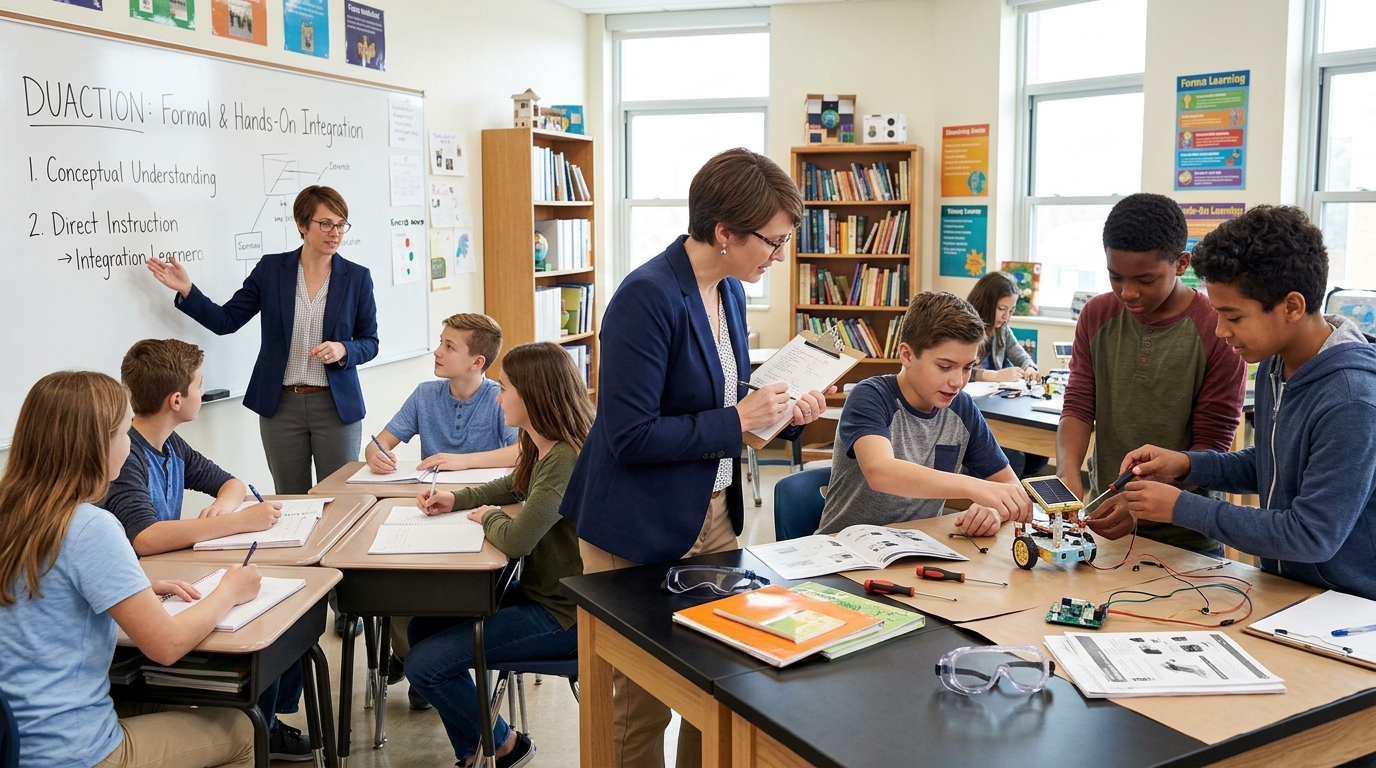
In today’s rapidly evolving educational landscape, traditional teaching methods alone are no longer sufficient to prepare learners for real-world challenges. This is where Duaction emerges as an innovative concept that bridges the gap between theory and practice. By combining structured instruction with hands-on learning, Duaction creates a more dynamic and effective approach to education that supports both knowledge acquisition and skill development.
Modern learners require more than memorization. They need practical understanding, critical thinking, and the ability to apply concepts in real situations. Duaction addresses these needs by integrating classroom learning with experiential opportunities, allowing individuals to gain deeper insights and long-term competence. This approach is becoming increasingly relevant in schools, universities, and professional training environments.
Understanding Duaction in Contemporary Education
Duaction represents a blended learning philosophy that emphasizes the importance of both academic structure and practical experience. Unlike traditional systems that rely heavily on lectures and textbooks, this approach ensures that learners actively engage with what they study.
The concept of Duaction is rooted in the idea that learning becomes more meaningful when it is applied. When students can connect theoretical knowledge with real-world situations, they are more likely to retain information and develop confidence in their abilities.
Educational institutions are gradually adopting Duaction-inspired models to improve outcomes. By incorporating projects, internships, simulations, and collaborative tasks, they create a more balanced and engaging learning environment.
This approach also aligns with the needs of modern industries, which prioritize practical skills alongside academic qualifications. As a result, Duaction is gaining recognition as a forward-thinking educational strategy.
Duaction and the Importance of Practical Learning
One of the defining features of Duaction is its emphasis on hands-on experience. Practical learning allows individuals to test ideas, solve problems, and understand the consequences of their decisions in real time.
In traditional education, students often struggle to see how theoretical concepts apply outside the classroom. Duaction removes this barrier by integrating real-life scenarios into the learning process.
For example, students studying engineering may work on actual design projects, while business students might participate in case studies or internships. These experiences not only enhance understanding but also build essential skills such as teamwork, communication, and adaptability.
Practical learning also encourages creativity. When learners are given the opportunity to experiment, they develop innovative solutions and gain a deeper appreciation for the subject matter.
How Duaction Enhances Student Engagement
Engagement is a critical factor in effective learning. When students are actively involved, they are more motivated and likely to succeed. Duaction promotes engagement by creating interactive and meaningful learning experiences.
Instead of passive listening, students participate in discussions, group projects, and real-world tasks. This involvement keeps them interested and encourages them to take ownership of their education.
Interactive learning environments also support different learning styles. Some students learn best through visual aids, while others prefer hands-on activities or collaborative discussions. Duaction accommodates these differences by offering a variety of learning methods.
Engagement also improves retention. When learners actively participate, they are more likely to remember and apply what they have learned. This leads to stronger academic performance and better long-term outcomes.
Duaction and Skill Development for Future Careers
In a competitive job market, employers look for candidates who can demonstrate both knowledge and practical skills. Duaction plays a crucial role in preparing individuals for these expectations.
By combining structured instruction with real-world application, this approach helps learners develop skills that are directly relevant to their chosen fields. These include problem-solving, critical thinking, communication, and adaptability.
Duaction also fosters independence. Learners are encouraged to take initiative, explore new ideas, and learn from their experiences. This mindset is essential for success in dynamic work environments.
Professional training programs increasingly rely on Duaction principles to ensure that participants are job-ready. Whether in healthcare, technology, business, or creative industries, practical experience is a key factor in career success.
The Role of Technology in Duaction
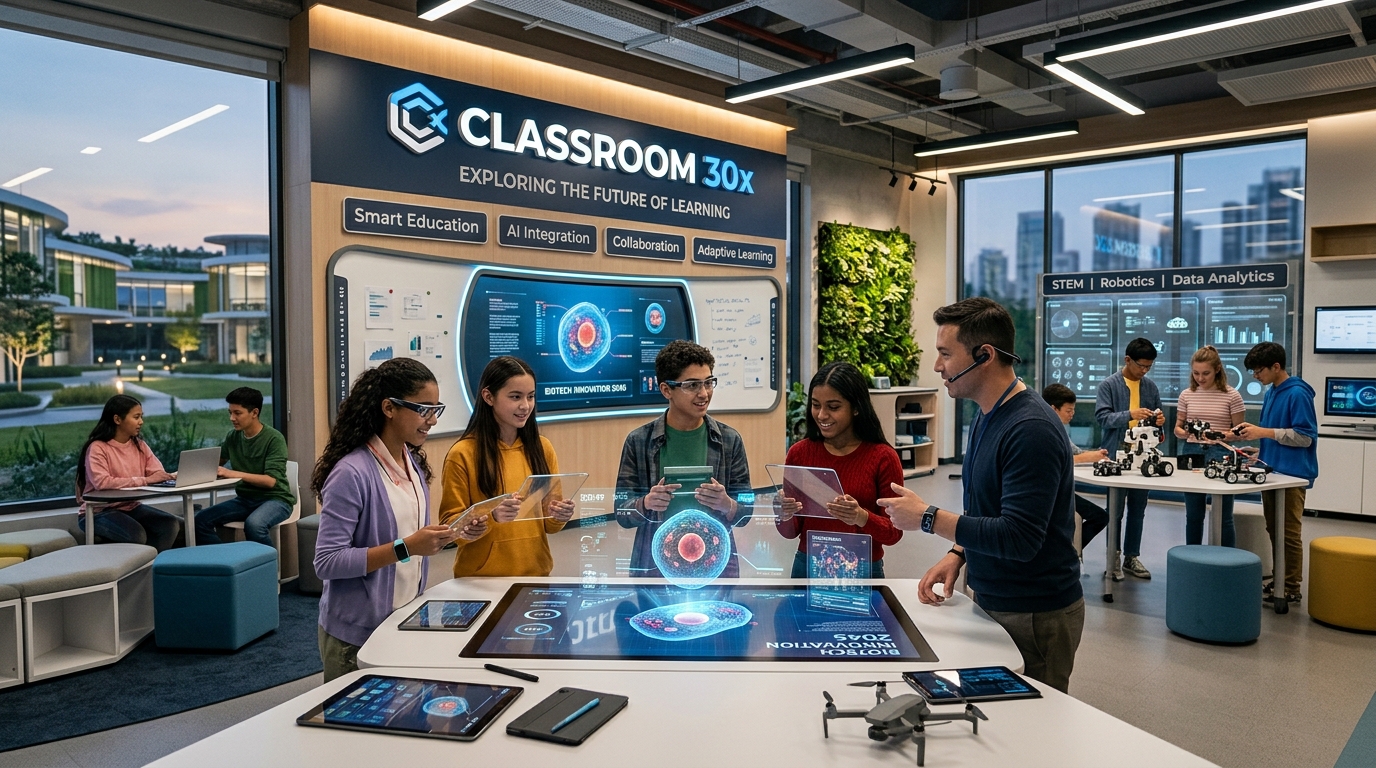
Technology plays a significant role in supporting Duaction. Digital tools and platforms make it easier to combine structured learning with practical application.
Online simulations, virtual labs, and interactive modules allow students to practice skills in a controlled environment. These tools provide immediate feedback, helping learners improve quickly and effectively.
Technology also enables flexible learning. Students can access resources, collaborate with peers, and complete projects from different locations. This flexibility is especially important in today’s global and remote learning environment.
In addition, data analytics can track progress and identify areas for improvement. Educators can use this information to tailor instruction and provide personalized support.
By integrating technology, Duaction becomes more accessible and adaptable, meeting the needs of diverse learners.
Duaction in Higher Education and Training Programs
Higher education institutions are increasingly adopting Duaction to improve student outcomes. Universities and colleges recognize that combining theory with practice enhances both academic performance and employability.
Programs that incorporate internships, co-op placements, and project-based learning reflect the principles of Duaction. These opportunities allow students to gain real-world experience while still pursuing their studies.
Training programs in various industries also benefit from this approach. For example, technical training often includes both classroom instruction and hands-on practice, ensuring that learners develop comprehensive skills.
Duaction also supports lifelong learning. As industries evolve, professionals need to update their skills regularly. A balanced approach to learning helps them stay relevant and competitive.
Challenges and Opportunities in Implementing Duaction
While Duaction offers many benefits, implementing it effectively can present challenges. Educational institutions may need to redesign curricula, invest in resources, and train educators to adopt new teaching methods.
Time management can also be a concern. Balancing structured instruction with practical activities requires careful planning to ensure that both aspects are covered adequately.
Despite these challenges, the opportunities are significant. Institutions that successfully implement Duaction often see improved student satisfaction, better learning outcomes, and stronger connections with industry partners.
Collaboration between educators, businesses, and policymakers can help overcome these challenges. By working together, they can create systems that support both academic excellence and practical skill development.
Duaction and the Future of Learning
The future of education is likely to be shaped by approaches like Duaction. As the world becomes more complex and interconnected, learners need a combination of knowledge and practical skills to succeed.
Duaction aligns with this need by promoting a balanced and adaptable learning model. It prepares individuals not only for current challenges but also for future opportunities.
Emerging trends such as experiential learning, interdisciplinary studies, and digital education all support the principles of Duaction. These trends indicate a shift away from traditional methods toward more dynamic and flexible systems.
As awareness grows, more institutions and organizations are expected to adopt this approach, making it a key component of modern education.
Final Thoughts
Duaction represents a powerful shift in how education is delivered and experienced. By balancing structured instruction with hands-on learning, it creates a more effective and engaging approach to skill development.
This model benefits students, educators, and employers by ensuring that learning is both meaningful and practical. It prepares individuals for real-world challenges while fostering creativity, confidence, and independence.
As the demands of education and work continue to evolve, approaches like Duaction will play an increasingly important role. By embracing this concept, learners can achieve a deeper understanding and build the skills needed for long-term success.
In a world where knowledge alone is not enough, Duaction offers a pathway to true learning—one that combines thinking with doing and prepares individuals for a future full of possibilities.