Italian Fig Crop Losses have become an increasing concern for farmers, agricultural experts, and policymakers across Italy. Known for its rich agricultural heritage, Italy has long been one of the leading producers of high-quality figs, cherished both domestically and internationally. However, in recent years, Italian Fig Crop Loses have threatened this legacy, raising questions about sustainability, climate resilience, and economic stability.
The issue is not limited to a single cause. Instead, it reflects a combination of environmental changes, pest infestations, soil degradation, and evolving market pressures. Understanding Italian Fig Crop Losses requires a comprehensive exploration of these factors, along with practical strategies to address them effectively.
Causes Behind Italian Fig Crop Losses
Climate Change and Italian Fig Crop Losses
One of the primary drivers of Italian Fig Crop Losses is climate change. Rising temperatures, unpredictable rainfall patterns, and extreme weather events such as droughts and floods have disrupted traditional farming cycles. Figs, while relatively hardy, are still sensitive to prolonged drought and sudden temperature fluctuations.
These climatic shifts impact flowering and fruiting stages, leading to reduced yields. Farmers are increasingly struggling to predict harvest seasons, which contributes directly to Italian Fig Crop Loses and financial instability.
Pest Infestations Contributing to Italian Fig Crop Losses
Another major factor behind Italian Fig Crop Loses is the rise in pest infestations. Insects such as fruit flies and fig borers have become more prevalent due to warmer climates. These pests damage the fruit, making it unsuitable for sale and reducing overall productivity.
The spread of invasive species has also intensified the problem. Without proper pest management strategies, Italian Fig Crop Loses continue to escalate, affecting both small-scale farmers and large agricultural operations.
Soil Degradation and Its Role in Italian Fig Crop Loses
Healthy soil is essential for any crop, and figs are no exception. Overuse of chemical fertilizers, poor irrigation practices, and erosion have led to declining soil quality in many regions. This degradation reduces nutrient availability, weakening fig trees and making them more susceptible to disease.
Soil-related challenges significantly contribute to Italian Fig Crop Loses by lowering both the quantity and quality of harvests. Addressing soil health is therefore a critical step in reversing these losses.
Economic Impact of Italian Fig Crop Losses
Italian Fig Crop Loses have far-reaching economic consequences. Farmers face reduced income due to lower yields and increased production costs. Additionally, the decline in fig production affects related industries such as food processing, export businesses, and local markets.
Italy’s reputation as a premium fig producer is also at risk. Consistent Italian Fig Crop Loses may lead to reduced competitiveness in global markets, allowing other countries to fill the gap. This shift could have long-term implications for the national economy.
Regional Variations in Italian Fig Crop Losses
Italian Fig Crop Loses are not uniform across the country. Southern regions, traditionally known for fig cultivation, are experiencing more severe impacts due to higher temperatures and water scarcity. Coastal areas face additional challenges from salinity and soil erosion.
In contrast, some northern regions are seeing emerging opportunities due to slightly milder conditions. However, these areas lack the historical infrastructure and expertise for large-scale fig production, limiting their ability to compensate for Italian Fig Crop Loses elsewhere.
Strategies for Mitigating Italian Fig Crop Losses
Sustainable Farming Practices to Reduce Italian Fig Crop Loses
Adopting sustainable farming methods is one of the most effective ways to combat Italian Fig Crop Loses. Techniques such as crop rotation, organic fertilization, and efficient irrigation systems can improve soil health and resilience.
Drip irrigation, for example, helps conserve water while ensuring that fig trees receive adequate moisture. These practices not only reduce Italian Fig Crop Loses but also promote long-term agricultural sustainability.
Advanced Pest Management for Italian Fig Crop Loses
Integrated pest management (IPM) is a key strategy for addressing Italian Fig Crop Loses caused by insects. This approach combines biological controls, natural predators, and targeted pesticide use to minimize damage.
Farmers are also increasingly using monitoring systems to detect pest activity early. By taking preventive measures, they can significantly reduce Italian Fig Crop Loses and protect crop quality.
Technological Innovations Addressing Italian Fig Crop Loses
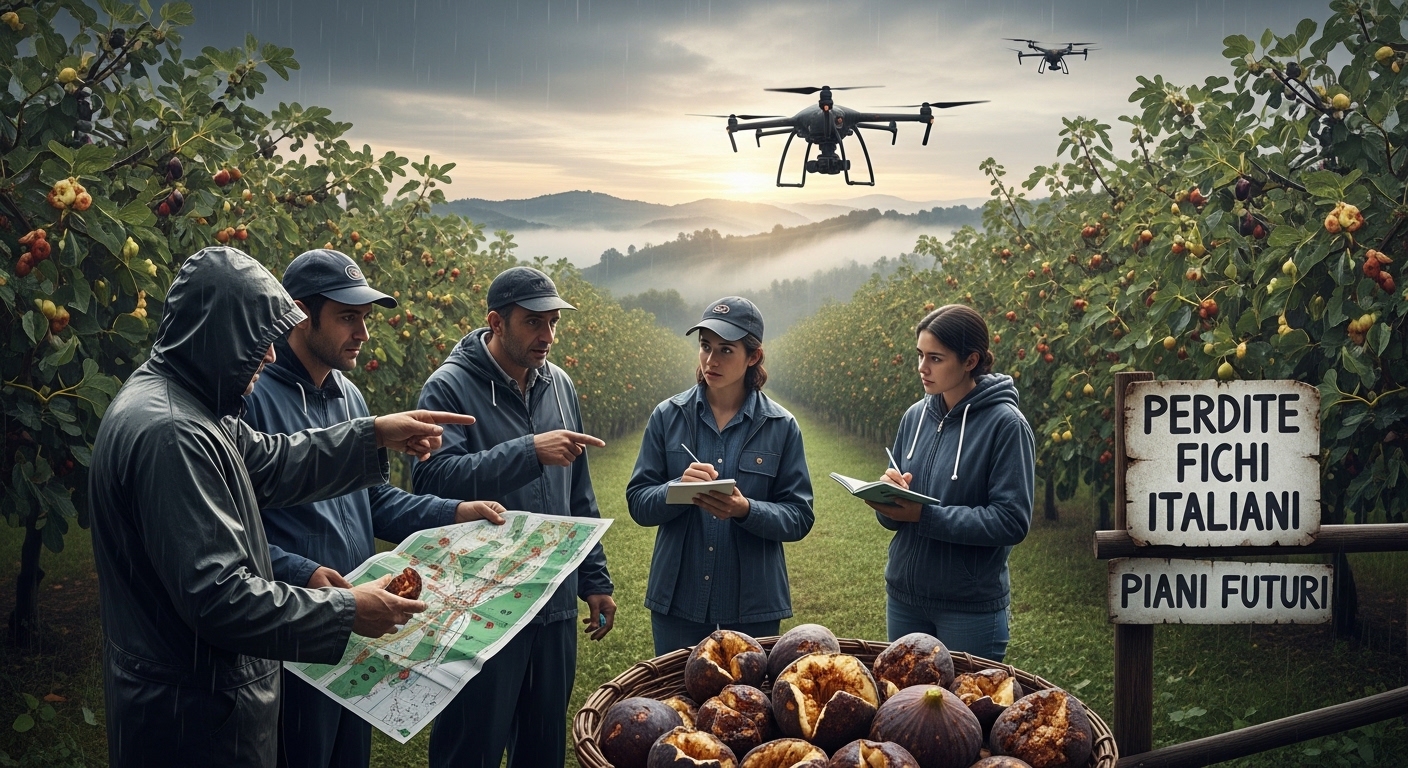
Technology is playing a growing role in mitigating Italian Fig Crop Loses. Precision agriculture tools, such as sensors and satellite imaging, allow farmers to monitor soil conditions, weather patterns, and plant health in real time.
These innovations enable more informed decision-making, helping farmers respond quickly to potential threats. As a result, Italian Fig Crop Loses can be minimized through proactive management.
Government Policies and Support for Italian Fig Crop Losses
Government intervention is essential in addressing Italian Fig Crop Loses. Policies that support research, provide financial assistance, and promote sustainable practices can make a significant difference.
Subsidies for modern irrigation systems, grants for pest control programs, and investment in agricultural research are all crucial measures. By supporting farmers, governments can help reduce Italian Fig Crop Loses and ensure the stability of the agricultural sector.
Role of Research in Tackling Italian Fig Crop Losses
Scientific research is vital for understanding and addressing Italian Fig Crop Loses. Studies on climate-resistant fig varieties, improved pest control methods, and soil restoration techniques are helping to develop long-term solutions.
Collaboration between universities, agricultural institutions, and farmers is key. By sharing knowledge and innovations, stakeholders can work together to reduce Italian Fig Crop Loses effectively.
Future Outlook on Italian Fig Crop Losses
The future of Italian fig production depends on how effectively the issue of Italian Fig Crop Loses is addressed. While challenges remain, there is also significant potential for improvement through innovation and collaboration.
With the adoption of sustainable practices, technological advancements, and supportive policies, it is possible to reverse current trends. Italian Fig Crop Loses can be reduced, ensuring that Italy continues to thrive as a leading fig producer.
Conclusion
Italian Fig Crop Loses represent a complex challenge that requires a multifaceted approach. From climate change and pests to soil degradation and economic pressures, the factors involved are deeply interconnected.
However, the situation is not without hope. By embracing sustainable farming, leveraging technology, and fostering collaboration, stakeholders can mitigate Italian Fig Crop Loses and secure the future of fig cultivation in Italy. The path forward requires commitment, innovation, and a shared vision for resilience in agriculture.