
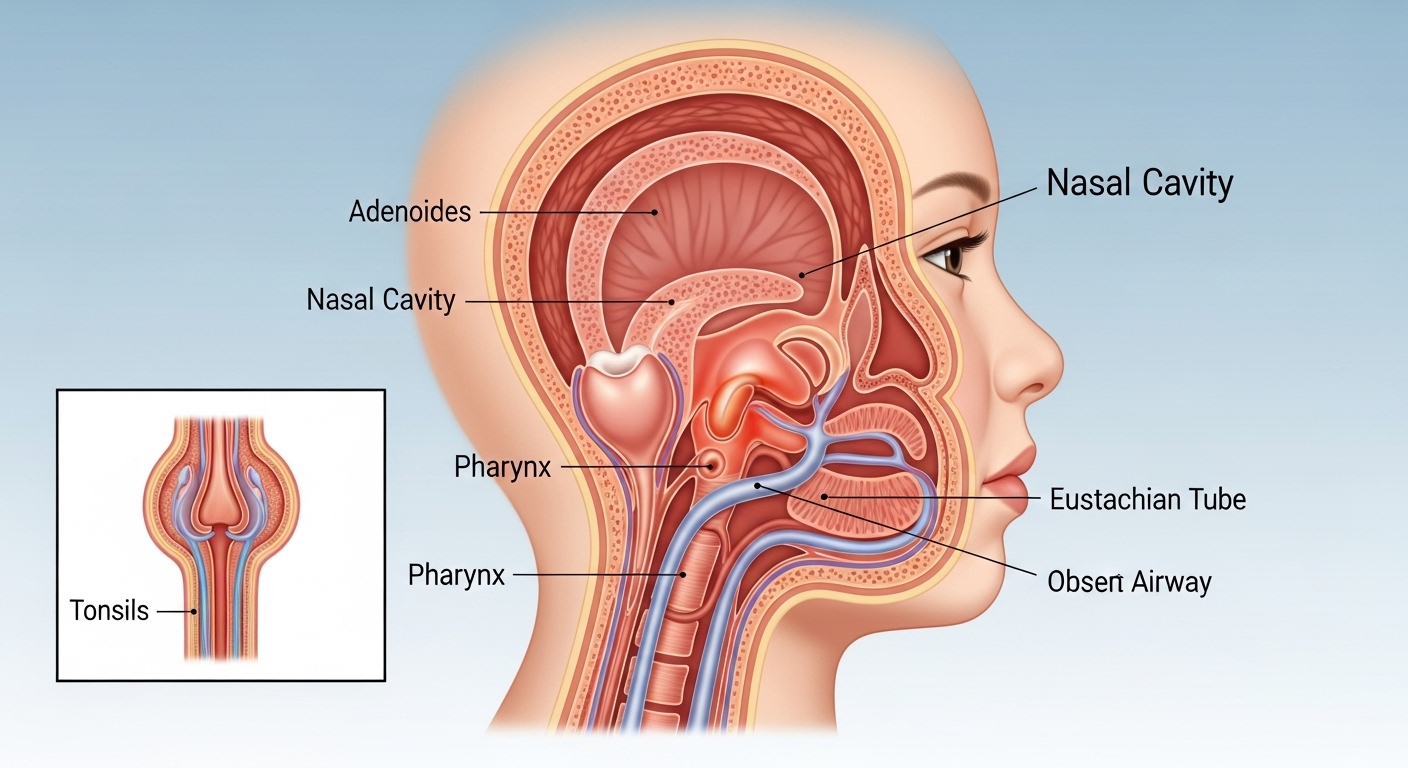
When discussing children’s respiratory health, many people focus on the lungs, throat, or tonsils, but often overlook the importance of the Adenoidid. This small but significant tissue plays a major role in the immune system and helps protect the body from infections during early childhood. Located behind the nose and above the throat, the Adenoidid acts as a first line of defense by trapping harmful bacteria and viruses before they can enter deeper into the respiratory system.
Although it performs an essential protective function, problems with the Adenoidid can also create serious health concerns. Enlarged or infected tissue may lead to breathing difficulties, sleep disturbances, ear infections, and frequent throat discomfort. Understanding how the Adenoidid works and recognizing early warning signs can help parents and caregivers make better healthcare decisions for children.
What Is Adenoidid and Why Is It Important
The Adenoidid is a patch of lymphatic tissue found in the upper part of the throat, behind the nasal cavity. It is part of the immune system and works closely with the tonsils to detect and fight germs entering through the nose and mouth.
During infancy and early childhood, the Adenoidid is especially active because children are still building immunity against common infections. It helps the body identify harmful microorganisms and supports the production of antibodies that protect against illness.
As children grow older, the importance of the Adenoidid gradually decreases. By adolescence, it often becomes smaller and may no longer play a major immune role. However, during the early years, healthy adenoid function is closely connected to breathing quality and infection prevention.
Its location makes it highly relevant to nasal airflow, ear drainage, and throat health. When it becomes enlarged, even simple daily activities like sleeping and breathing can be affected.
Common Causes of Adenoidid Enlargement
One of the most frequent issues involving the Adenoidid is enlargement. This condition often happens when the tissue reacts to repeated infections or allergies. Since it is designed to trap harmful germs, it may swell when fighting bacteria or viruses.
Frequent colds, sinus infections, and upper respiratory infections can all contribute to enlargement. In some cases, seasonal allergies or long-term nasal irritation may also trigger swelling.
Children are more likely to experience this problem because their immune systems are still developing and they are exposed to many infections in schools and daycare environments.
Sometimes the Adenoidid remains enlarged even after the infection is gone. This can create ongoing discomfort and interfere with normal breathing patterns. In such cases, medical evaluation becomes necessary to prevent long-term complications.
Signs and Symptoms of Adenoidid Problems
Recognizing symptoms early can make treatment easier and more effective. Since the Adenoidid sits behind the nose, its enlargement often affects breathing first.
One of the most noticeable signs is persistent mouth breathing. When nasal airflow becomes blocked, children naturally begin breathing through the mouth, especially during sleep. This may also lead to dry mouth and bad breath.
Snoring is another common symptom. Enlarged tissue can partially block the airway, causing noisy breathing at night. Some children may even experience interrupted sleep or sleep apnea, where breathing briefly stops during rest.
Frequent ear infections may also point to an Adenoidid issue. Because the tissue is located near the Eustachian tubes, swelling can block proper drainage and increase pressure in the ears.
Other symptoms include a nasal-sounding voice, chronic runny nose, sore throat, and repeated sinus infections. These signs should not be ignored, especially if they continue for several weeks.
How Adenoidid Affects Sleep and Breathing
Healthy sleep is essential for growth, learning, and emotional well-being in children. Problems with the Adenoidid can quietly disrupt sleep quality without parents immediately realizing the cause.
When enlarged tissue blocks the airway, children may struggle to breathe comfortably at night. They may toss and turn, snore loudly, or wake up frequently. Poor sleep often leads to daytime tiredness, difficulty concentrating, and irritability.
In more serious cases, obstructive sleep apnea may develop. This condition causes short pauses in breathing during sleep and can affect oxygen levels. It may also impact growth and school performance if left untreated.
Breathing difficulties are not limited to nighttime. Some children feel constant nasal blockage during the day, making physical activity and normal speech more challenging.
Improving airflow often leads to better sleep, stronger focus, and improved overall health. This is why early attention to Adenoidid problems is so important.
Diagnosis of Adenoidid Conditions
Doctors usually diagnose Adenoidid problems through a combination of physical examination and symptom history. Since the tissue cannot be seen easily through the mouth, additional tools may be used.
A pediatrician or ENT specialist may ask about snoring, infections, breathing patterns, and sleep quality. They may also examine the nose, throat, and ears for signs of blockage or inflammation.
In some cases, a small flexible camera called an endoscope is used to look inside the nasal passage and view the Adenoidid directly. This helps determine the size of the tissue and whether surgery might be necessary.
X-rays are sometimes used as well, especially when sleep problems are severe or the diagnosis is unclear.
Accurate diagnosis ensures the right treatment plan and prevents unnecessary procedures. Every child’s situation is different, so careful evaluation is essential.
Treatment Options for Adenoidid Issues
Treatment depends on the severity of symptoms and the underlying cause. Mild cases may improve with medication, while more serious cases may require surgery.
If infection is the main issue, antibiotics may help reduce inflammation and control symptoms. Nasal sprays or allergy treatments may also be recommended when allergies contribute to swelling.
Doctors often monitor children over time before deciding on surgery, especially if symptoms are occasional rather than constant.
When the Adenoidid causes significant breathing problems, repeated ear infections, or sleep disturbances, surgical removal may be considered. This procedure is called an adenoidectomy.
Adenoidectomy is common in children and is generally considered safe. It often provides major improvement in breathing, sleep quality, and infection frequency. Recovery is usually quick, with most children returning to normal activities within a few days.
Parents should discuss both short-term and long-term benefits with a healthcare professional before making decisions.
Adenoidid and Its Connection to Ear Health
Many parents are surprised to learn how closely the Adenoidid is linked to ear health. Because it sits near the opening of the Eustachian tubes, swelling can block normal ear drainage.
This blockage creates pressure buildup and fluid retention behind the eardrum. As a result, children may experience repeated ear infections or hearing difficulties.
Chronic ear infections can affect speech development and learning, especially in younger children. Temporary hearing loss caused by fluid buildup may also lead to communication challenges.
Treating the Adenoidid often improves ear health significantly. In some cases, doctors may recommend combining adenoid removal with ear tube placement for better long-term results.
This connection shows how one small tissue can influence multiple areas of childhood development.
Preventing Adenoidid Complications
Not every Adenoidid problem can be prevented, but healthy habits can reduce the risk of complications. Supporting a strong immune system is one of the best ways to protect children from repeated infections.
Encouraging regular handwashing, balanced nutrition, and enough sleep helps reduce illness frequency. Avoiding exposure to cigarette smoke is also important because smoke can irritate the nose and throat and worsen inflammation.
Managing allergies early can prevent long-term swelling. If a child experiences frequent sneezing, congestion, or sinus irritation, allergy evaluation may help reduce strain on the Adenoidid.
Regular medical checkups are valuable for identifying concerns before they become serious. Early attention often prevents the need for more complex treatment later.
Final Thoughts
The Adenoidid may be small, but its impact on childhood health is significant. From protecting against infections to supporting healthy breathing and sleep, it plays an important role during the early years of life.
When problems arise, symptoms like snoring, mouth breathing, ear infections, and poor sleep should be taken seriously. These signs may point to enlarged or infected tissue that needs medical attention.
Understanding how the Adenoidid works helps parents make informed decisions and seek care at the right time. With proper diagnosis and treatment, most children recover well and experience lasting improvement in comfort and overall well-being.
By paying attention to early symptoms and maintaining healthy habits, families can support better respiratory health and ensure children grow with stronger sleep, better breathing, and improved daily life.